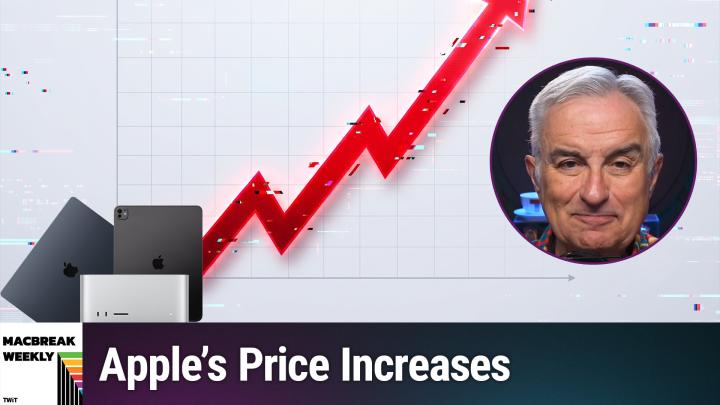
Apple Price Hikes Explained
AI-generated, human-reviewed.
Apple's recent price increases have left customers frustrated and confused, especially as some devices jumped by hundreds of dollars overnight. The primary reason, as discussed on MacBreak Weekly, is an unprecedented global shortage and surge in memory chip costs, triggered by the demands of artificial intelligence (AI) and a complex supply chain crisis.
What’s Behind Apple’s 2026 Price Hikes?
On MacBreak Weekly, Leo Laporte, Christina Warren, Jason Snell, and Andy Ihnatko discussed Apple’s abrupt and substantial price increases on Macs, iPads, and other hardware, emphasizing that these changes weren’t coming out of nowhere. The major cause is a dramatic spike in the cost of memory chips (RAM and storage). Suppliers, especially in the wake of AI’s explosive growth, have faced immense demand and rising manufacturing costs.
Apple, known for locking in long-term supply contracts, historically insulated customers from volatile chip prices. However, the scale of this “memory armageddon” forced the company’s hand. Memory suppliers have passed along much higher rates, leading to significant retail price bumps.
Critically, not every device saw price hikes. iPhones, Apple Watches, AirPods, and accessories like the Polishing Cloth remain the same—for now—primarily because they rely less on large quantities of expensive RAM.
How Artificial Intelligence Is Fueling the Memory Shortage
A key insight from the episode is how artificial intelligence (AI) has completely upended the tech supply chain. Large Language Models and other AI tech require vast amounts of memory, both for training in data centers and for running smarter features on consumer devices. This global spike in AI investment has choked supply, as chip manufacturers rushed to fill data center orders and neglected production for consumer hardware.
Analysts cited on the show, including Wall Street Journal and Apple supply chain experts, expect relief to take years—possibly not until 2027 or 2028—because building new semiconductor factories (fabs) is a slow, multi-billion-dollar process.
Which Apple Devices Are Affected—And Which to Avoid
The MacBreak Weekly panel highlighted that Apple spread price hikes across the Mac lineup and iPads, including some steep jumps for products that hadn’t been refreshed in years (such as Apple TV). Some devices now cost 15–20% more, and configure-to-order RAM and storage upgrades have become especially expensive.
They warned that customers should avoid buying outdated hardware—notably, the Apple TV 4K and current iPad Pro—at their new prices, since value for money is now much lower. In contrast, iPhones and Apple Watches are still relatively shielded, but only "for now," as Apple appears determined to hold margin on these flagship products at all costs.
Refurbished device prices also rose sharply, and even secondary markets have seen supply dry up due to the rush of savvy buyers grabbing devices at pre-hike prices. Many customers who ordered just before the increase had their transactions canceled because inventory ran out.
Who’s to Blame? The Debate Over Apple, Chip Suppliers, and “Corporate Greed”
MacBreak Weekly covered the political and industry blame game: chipmakers like Micron pointed fingers at Apple for driving prices down in previous years, while U.S. politicians called out Apple’s record profits, demanding the company eat some costs instead of passing them to consumers.
Panelists argued this is a classic example of market cycles. Memory prices have always fluctuated, but the present crisis is supercharged by both overzealous cost-cutting during previous downturns and today’s insatiable AI demand. Regulatory investigations are underway into alleged price-fixing by major chip suppliers, but in the short term, buyers will see little impact.
What Does the Future Hold for Consumers and Apple?
Given these market realities, the MacBreak Weekly crew expects Apple to prioritize RAM for iPhones and Macs in future product launches, possibly limiting iPad production or pushing buyers towards configurations that use less memory. Long-term, Apple is pushing to diversify supply—with attempts to buy memory from Chinese companies currently facing political hurdles.
For the near future, expect continued high prices, limited discounts, and possible further supply shortages, especially for top-end, high-RAM configurations prized by AI developers and professionals.
Key Takeaways
- Apple’s 2026 hardware price increases are directly linked to a worldwide memory chip shortage driven by the surge in AI adoption.
- Macs, iPads, and some accessories are now much more expensive—in some cases by 15–20% or more.
- iPhones, Watches, and AirPods have not seen price increases yet, but this could change if memory costs keep rising.
- Outdated products like Apple TV and iPad Pro are especially poor value at new prices. Think twice before buying.
- The AI boom has prioritized chip supply for data centers over consumer tech, squeezing the entire industry.
- Refurbished and older models are harder to find and now more expensive, as supply dwindles.
- Regulatory and political pressures may shape the long-term supply chain, but short-term relief is unlikely.
- Expect continued volatility in pricing through at least 2027 or 2028, according to supply chain analysts.
The Bottom Line
Apple’s price hikes aren’t just about inflation or profit—today’s AI-fueled memory crisis is a fundamental shift in tech supply chains. If you’re shopping for a new Mac or iPad, you’ll need to weigh cost, value, and potential timing more carefully than ever.
For more deep dives into Apple news and smart buyer tips, subscribe to MacBreak Weekly:
https://twit.tv/shows/macbreak-weekly/episodes/1031