What Apple’s Latest Launch Means for Consumers
AI-generated, human-reviewed.
Apple’s September event dominated tech news this week, with new products and features grabbing headlines, but what should consumers actually take away? On This Week in Tech, host Leo Laporte and a panel of industry experts (Victoria Song from The Verge, Jason Heiner of ZDNet, and Dan Patterson of Blackbird AI) dissected both the headline announcements and the less-publicized upgrades, cutting through the marketing spin to spotlight what’s genuinely meaningful (and what’s not).
What Did Apple Announce at Its September 2025 Event?
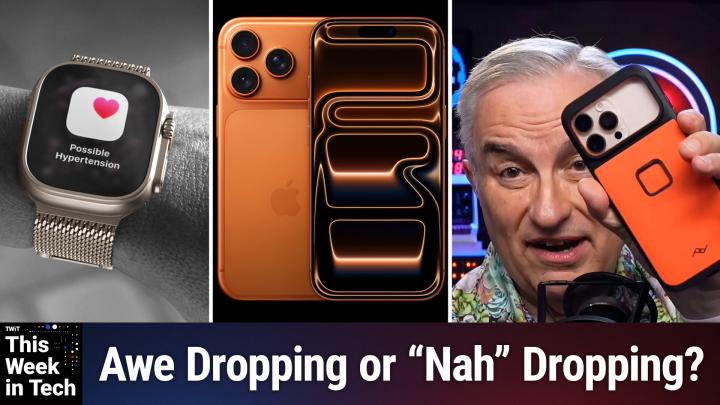
Apple’s event introduced several products, including revamped iPhones (with a new Air model), updated Apple Watches (including the SE3), and next-generation AirPods Pro. As usual, much of the buzz focused on the flagship features and design themes—but as guests who attended the keynote pointed out, Apple’s quieter moves may carry the biggest impact for buyers this year.
Key new product highlights:
- iPhone Air: Ultra-slim design, new colors, but raises questions about battery life and camera quality.
- Apple Watch SE3: Delivers several features from premium models at a lower price point, making it a standout value.
- AirPods Pro 3: Improved noise cancellation and fit—surprisingly the most impressive upgrade for many reviewers.
The event itself leaned heavily into Apple’s design story, yet concrete advances were often incremental. According to panelists, rumors (and leaks) meant few surprises, but the way Apple framed their narrative is worth scrutiny.
Are the Affordable Apple Devices the Real Winners?
Victoria Song of The Verge and Jason Heiner of ZDNet both attended the event and offered candid perspectives. Despite Apple’s emphasis on premium products, both experts agreed that the less expensive devices—especially the new Apple Watch SE 3 and base-model iPhones—are actually the year’s best upgrades.
- The Apple Watch SE 3 brings “always-on” display and battery improvements down to a lower price tier, making it the upgrade to watch.
- The base iPhone 17 now offers features close to last year’s “Pro” line, with better value than the slim, fashion-forward Air model.
- The SE and base iPhone upgrades indicate Apple is targeting budget-conscious buyers—possibly a response to changing consumer sentiment and economic uncertainty.
This shift matters because it suggests Apple knows where the demand is headed—and smart buyers should pay attention beyond flashy headline devices.
Why Are Reporters, and Not Just Influencers, So Focused on Apple’s Narratives?
Panelists shared that events like these are now packed with influencers, outnumbering traditional journalists. The hands-on rooms are crowded with social media creators narrating their experience for followers using selfie sticks and live recordings. This shift has implications for both coverage and how product stories are told.
Yet, as Dan Patterson noted, credible reporting still adds much-needed context: reviewers like those on TWiT can spot hype versus substance and explain which features actually benefit consumers, not just create shareable moments.
How Are Apple’s Health and AI Features Evolving?
Between new sensors, blood pressure detection, and AI-powered capabilities in AirPods and Watches, Apple is keen to stake out a leadership position in personal health tech and on-device intelligence.
However, the panel agreed: Apple remains cautious, rarely pushing the limits of AI or medical diagnostics. Features are “detection” rather than “diagnosis,” with clear disclaimers that they support wellness but can’t replace specialized devices or doctors. This caution means features are safe, but potentially less transformative than marketed.
Meanwhile, the much-discussed iPhone AI/translation features are impressive in demos, but real-world usage, especially with natural, rapid conversation and code-switching, still lags behind human interaction or the science fiction “universal translator.”
What You Need to Know
- Many of Apple’s best upgrades this year are in the “affordable” models, not the flashy Pro or Air tiers.
- Apple’s design narrative dominated the event, but incremental improvements are the norm.
- Influencers now drive much of the event buzz, but expert reviewers offer vital checks against hype.
- AI and health features are useful, but expect conservative, “wellness” focused implementations.
- Truly innovative capabilities, like blood pressure via smartwatch or worthy AI translators, are progressing slowly and remain mostly “detector” features, not replacements for dedicated tools.
Orange You Glad You Read This
On This Week in Tech, the panel concluded that the real value in Apple’s 2025 announcements lies not in headline-grabbing flagship devices, but in upgraded mainstream products that make the Apple ecosystem more accessible. For most buyers, sticking with the new SE models or base iPhones is the smart move. While Apple’s events remain slick and influencer-heavy, turning to trusted experts for context and hands-on impressions remains the key to making an informed purchase.
Subscribe to This Week in Tech for more expert breakdowns and real-world tech advice:
https://twit.tv/shows/this-week-in-tech/episodes/1049