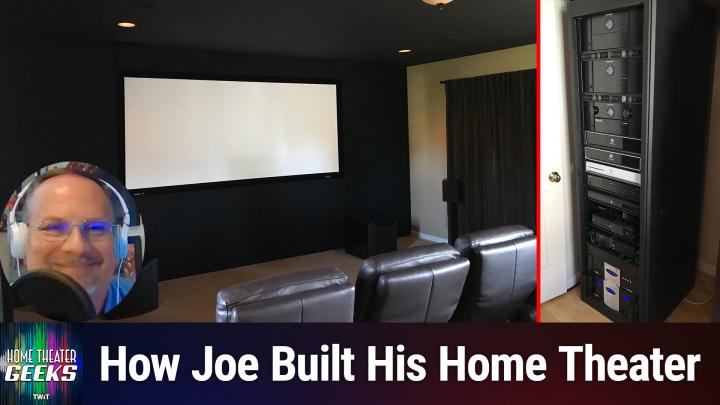
Turning a Spare Room Into a Luxury Home Cinema
AI-generated, human-reviewed.
Creating a home theater that rivals commercial cinemas is more achievable than ever—with the right planning, gear, and know-how. On Home Theater Geeks, Scott Wilkinson tours a standout DIY project by Joe Klusnick, detailing what matters most, how to maximize your budget, and practical strategies for immersive movie nights and events at home.
Quick Summary: Why Home Theater Is a Smart Upgrade
Upgrading a spare room or bonus space into a dedicated theater adds entertainment value, convenience, and even home resale appeal. With current technology, you can now have immersive surround sound, large projector screens, and seating for family and friends without breaking the bank.
Home theater setups are evolving fast, and resources like this can help you make smart choices with planning, gear, and acoustics.
Step-By-Step: Planning Your Home Theater
Successful home theaters begin with clear goals:
- Experience First: Focus on immersion—make the room feel like a real cinema, with the right seating, lighting, and sound isolation.
- Space Assessment: Measure your room for projector distance, seating, and audio channel placement. Joe’s theater is 19 ft x 21 ft with 9 ft ceilings, originally a bonus room above his garage.
- Budget & DIY: Save by mixing new, used, and bargain gear. Buying pre-owned equipment, building your own acoustic treatments, and reusing materials can cut costs dramatically.
Planning typically takes months, and CEDIA guidelines (home technology standards) help with best practices.
Must-Have Features for a Modern Home Theater
Acoustics and Light Control
- Install acoustic panels (DIY frames with Owens Corning 703 fiberglass) and blackout window coverings to manage sound and light.
- Dark ceilings (using black paint) improve visual contrast and eliminate distractions.
Audio and Speaker Setup
- Opt for immersive sound formats like 9.2.6 Dolby Atmos, with speakers placed overhead, behind, and around the room for directional effects.
- Use identical speakers for the front soundstage (left, center, right, and wide channels) to maintain consistent audio quality.
Video and Screen Solutions
- Acoustically Transparent Screens allow in-wall speakers to sit directly behind your movie image for accurate sound.
- Motorized masking lets you adjust the screen’s aspect ratio on the fly, accommodating everything from classic 16:9 TV to widescreen 2.35:1 films.
Seating and Room Layout
- Prioritize comfortable, commercial-grade seating (buy used for best deals) and design for enough chairs—ideally 10-11 for parties or family nights.
- Build a seating riser for the rear rows to ensure everyone has a clear view.
Pros & Cons of DIY vs. Professional Install
Pros:
- Major cost savings.
- Total customization of gear, seating, and finishes.
- Learning experience and pride in the project.
Cons:
- Significant time/effort (months to years for full build; ongoing upgrades).
- Limited options for sound isolation and structure if retrofitting an existing room.
- Logistical challenges (moving seats, handling large screens, cabling).
What You Can Learn from This Build
- Mix and Match: Use secondhand gear, upgrade in stages, and keep your system flexible for future tech.
- Focus Spending: Invest where it matters—screen size, speaker quality, seating comfort.
- Room Isolation Matters: Soundproofing improves immersion but can be tricky without new construction.
- Share the Experience: Build with enough seating to enjoy movies, sports, and events with family and friends.
- Ongoing Upgrades: Expect your theater to change as tech improves and new formats emerge.
A feature-rich, immersive home theater isn’t just for the pros. With careful planning, smart gear selection, and a willingness to DIY, you can convert almost any room into a luxury cinema that suits both your budget and entertainment style. For pricing context: buying all components and seats new could cost over $150,000, but savvy shopping and hands-on effort can slash that significantly.
Ready to dive deeper or see real room photos and gear lists? Watch the full episode for step-by-step walkthroughs and expert advice.
Subscribe to Home Theater Geeks for more tips, real-world builds, and gear recommendations:
https://twit.tv/shows/home-theater-geeks/episodes/517