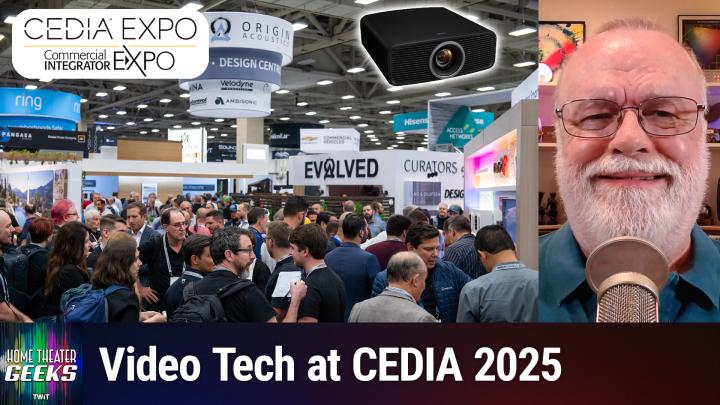
Should You Upgrade to a Micro LED or Art TV? CEDIA 2025 Sneak Peek
AI-generated, human-reviewed.
The latest CEDIA Expo delivered a clear message: Home theater displays are bigger, brighter, and smarter than ever—with micro LED panels and art-mode TVs leading the charge. If you’re considering a high-end TV or a total media room upgrade, the innovations unveiled at CEDIA 2025 could shape your next purchase.
The Big Story: Massive Micro LED and Mini LED TVs Steal the Spotlight
On Home Theater Geeks, host Scott Wilkinson and industry expert Michael Heiss highlighted a trend toward jaw-droppingly large flat panels—think 115 inches and up—powered by the latest micro LED and mini LED technology. New models from top brands like Samsung and TCL outshined projectors and became the main event at the show.
Samsung debuted a 115-inch 4K TV using micro-scale RGB LEDs (not just “mini” but true micro), delivering unmatched brightness and color—covering 100% of the ultra-wide BT.2020 color space. Priced around $30,000, it set a new bar for picture quality and scale, impressing even seasoned experts.
Meanwhile, TCL pushed accessibility with its QM9K series and a competitive 115-inch QM7K. TCL’s phased launch strategy means buyers can expect a steady stream of new tech across the year, not just at CES. Their massive QM9K offers Quantum Dot, mini LED backlighting, and 144Hz refresh, showing serious gaming chops.
These eye-popping screens aren’t just for showrooms. Homeowners with dedicated theaters and media rooms are now considering wall-filling TVs as an alternative to traditional projectors—especially since modular direct-view LED panels (DVLED) like Quantum Media XDR can be sized to fit any space.
What’s an “Art TV” and Why Are They Trending?
Another standout CEDIA 2025 revelation: the growing popularity of “art TVs.” These are displays that become digital canvases when you’re not watching shows, displaying curated artwork from museums like MoMA or custom image subscriptions.
Samsung’s Frame pioneered this concept, but now rivals like TCL (Next Paper), Skyworth (Canvas), and Sony (with custom Leon frames) are joining in. The key benefit? Your TV blends seamlessly into your décor—and manufacturers are creating increasingly believable matte surfaces to mimic real art.
Many art TVs now require subscription services for larger art libraries, providing manufacturers with ongoing revenue but also giving homeowners broad, updatable collections to display.
Direct View LED Walls: The Ultra-Premium Choice
For those pursuing the ultimate home cinema, direct-view LED (DVLED) walls made a strong showing. Brands like Quantum Media Systems and AWOL are producing modular setups that scale from 129 inches up to 20 feet wide, achieving 2,000 nits peak brightness—far beyond what projectors can manage.
AWOL claims it can deliver these systems at a quarter the cost of traditional competitors, although pricing is still in the “if you have to ask, you can’t afford it” range. Benefits include:
- Custom sizing and aspect ratios
- No need for a projector throw distance
- Suitability for rooms with ambient light
Key Takeaways
- Jumbo Micro/Mini LED TVs Are Here: Mainstream TV brands now offer 100”+ displays—great for dedicated home theaters or living rooms with wall space and proper installation.
- Art TVs Add Style to Function: These are ideal for those wanting their TV to double as décor, with expanding artwork options and increasingly realistic presentations.
- Direct View LED = Movie Palace at Home: If your budget allows, modular LED panels offer a bright, seamless cinematic experience—even outperforming projectors in many situations.
- Smart Home Integration: Many new TVs are doubling as home control hubs, supporting Matter and other automation platforms.
- Projectors Still Matter—But Face Stiff Competition: While projectors remain popular for sheer screen size on a budget, their territory is shrinking as flat panels inch upward in size and performance.
What This Means for You
- Considering a Home Theater Upgrade? 2025 is a turning point: non-projector large formats are finally viable, especially for high-budget builds.
- Prioritize Your Space and Budget: Not everyone needs (or can fit) a 100-inch+ screen, but options abound if you do.
- Think About Aesthetics: If your TV is a centerpiece in your living space, art-mode displays can hide the “black box” when not in use.
The Bottom Line
CEDIA 2025 showed that super-sized TVs, advanced mini/micro LED technology, and customizable art screens are no longer just dreams—they’re real, beautiful, and (for some) attainable. If you’re ready to future-proof your theater or living room, these innovations deserve a look.
Catch more in-depth coverage with Scott Wilkinson and Michael Heiss on Home Theater Geeks:
https://twit.tv/shows/home-theater-geeks/episodes/499