NASA's Goddard Cuts
AI-generated, human-reviewed.
NASA’s Goddard Space Flight Center is facing massive layoffs and accelerated closures of critical facilities, raising urgent concerns about the survival of major science missions and climate research. On This Week in Space, Space.com’s Josh Dinner reveals how the government shutdown and political pressure have led to what some insiders call “irreparable damage”—and what this means for all of us who care about space and Earth science.
Why Is NASA’s Goddard Space Flight Center in the Spotlight?
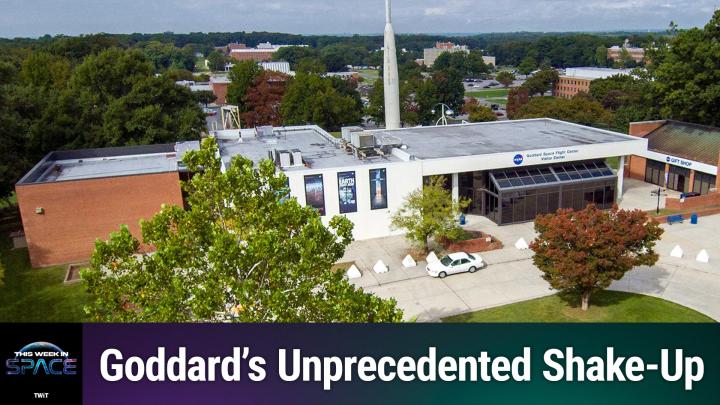
NASA’s Goddard Space Flight Center in Greenbelt, Maryland, is legendary for managing missions ranging from the Hubble Space Telescope to breakthrough climate science databases. According to Josh Dinner on This Week in Space, Goddard is undergoing rapid and unprecedented closures—13 buildings scheduled for shutdown by March 2026—with staff asked to clear out offices and labs, sometimes with no set place to relocate highly specialized equipment.
The process was accelerated during the government shutdown, catching many employees off guard. Staff, lawmakers, and union members allege these moves are happening before budgets are legally confirmed, potentially violating federal law. NASA leadership, meanwhile, says it’s preparing for budget realities and denies any wrongdoing.
How Are NASA’s Mission and Employees Being Impacted?
On This Week in Space, Josh Dinner highlights reports from scientists, engineers, and union representatives facing uncertainty. Key projects such as the Nancy Roman Space Telescope, the upcoming DaVinci Venus probe, and the ambitious LISA gravitational wave observatory are already seeing team members leave due to job insecurity. Even if Congress restores funding, stakeholders warn that the loss of decades-long expertise and working teams could cripple these missions permanently.
Climate science has been hit especially hard. Goddard employees describe a work culture where what they refer to as the new c-word—“climate”—has become a taboo subject due to shifting political tides, despite Goddard’s pivotal role in tracking global temperature records, performing ocean research, and maintaining atmospheric monitoring.
Union negotiations to protect jobs have been halted by a recent executive order reclassifying NASA as a national security agency. This bars collective bargaining, further restricting workers’ ability to protest closures or layoffs.
Political Controversy: Is NASA’s Science Under Threat?
According to insights shared on the podcast, lawmakers like Senator Maria Cantwell have publicly criticized NASA’s leadership for enacting budget recommendations before congressional approval. The agency’s press secretary denied any illegal actions, stating that closures are part of necessary structural upgrades and right-sizing efforts.
However, Josh Dinner explained that many within Goddard and among lawmakers suspect the underlying motive is political, targeting climate science and centers viewed as supportive of opposition parties.
What’s Next for NASA and the Goddard Community?
NASA’s leadership vacuum has only added to the confusion. The episode describes the drama surrounding the nomination—and subsequent re-nomination—of Jared Isaacman as NASA administrator, who may bring major policy changes once confirmed. The uncertainty means Goddard and affected programs hang in the balance, with scientists and engineers weighing offers from private industry and international organizations.
On This Week in Space, the words of protest organizers and advocacy groups urged listeners to contact their elected representatives and stay informed. From budget restoration to union litigation, the future of Goddard—and its contributions to global science—depends on further public and governmental action.
Key Takeaways
- Goddard’s shutdown-driven closures could permanently damage NASA’s core science and climate missions.
- Critical expertise and teams have already been lost, risking project continuity even if funding returns.
- Union protections have been suspended, limiting workers’ ability to fight layoffs and facility shutdowns.
- Major programs like Hubble operations, the Roman Telescope, and LISA are at risk of delays or cancellation.
- Political motivations are suspected to be behind the accelerated cuts, especially where climate science is concerned.
- Congress may restore funding, but administrative and leadership decisions at NASA remain unpredictable.
- Public advocacy and oversight are more crucial than ever to ensure NASA’s legacy in science and exploration continues.
The Bottom Line
NASA’s Goddard Space Flight Center faces an uncertain future, with abrupt closures and layoffs marked by political and budgetary turmoil. As explained by Space.com’s Josh Dinner on This Week in Space, both NASA insiders and lawmakers warn that changes made during the government shutdown may have irreversible effects on global science. Staying informed, supporting advocacy efforts, and voicing concerns to elected officials can help safeguard NASA’s vital missions during this critical period.
Subscribe to This Week in Space for expert analysis and the latest space news:
https://twit.tv/shows/this-week-in-space/episodes/185