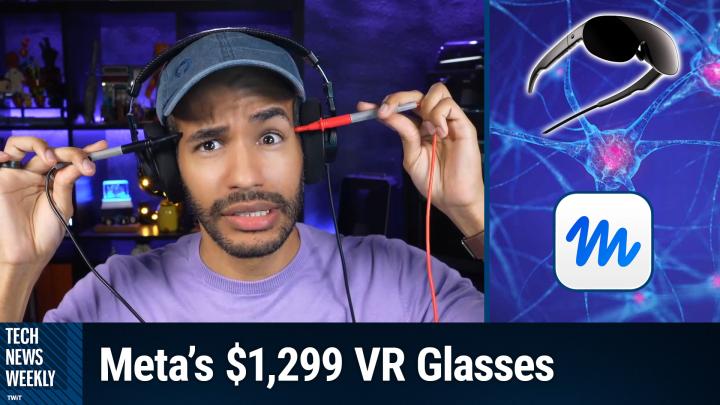
Meta Unveils New VR Glasses: Are They the Future of Wearable Tech?
AI-generated, human-reviewed.
Meta has introduced a new VR headset that promises portability, high-quality visuals, and a fresh take on wearable technology. According to Scott Stein on Tech News Weekly, these glasses-style VR devices mark Meta’s attempt to bridge the comfort of conventional eyewear with the immersive features of premium VR headsets, all at a $1,299 price tag. Here’s what potential buyers, VR fans, and tech watchers need to know.
How Do Meta’s New VR Glasses Differ From Traditional Headsets?
Meta’s latest device, unveiled at its Connect developer conference, looks like oversized glasses but functions as a full-featured VR headset. Unlike classic VR gear such as Meta’s Quest 3 or Apple’s Vision Pro, these “glasses” fold down and are comparatively portable, though they fall short of passing for normal eyewear. The device features high-resolution cameras allowing for pass-through video, giving users a crisp mixed-reality experience.
Processing is handled via a dedicated puck, about the size and thickness of a phone, connected to the glasses. This pocketable processor delivers approximately three hours of battery life and has 128 GB of built-in storage, which can be expanded via microSD—a first for Meta VR hardware.
What’s the Day-to-Day User Experience?
On Tech News Weekly, Stein explained that comfort was a highlight. The glasses fit lightly on the face, feel more wearable than most competition, and support prescription lens inserts. Hand and eye-tracking replace bulky controllers, though Quest controllers remain compatible for specific games. During tests, gesture and gaze tracking worked well, but the room for improvement in accuracy was still noticeable.
When it comes to content, these glasses run all existing Quest App Store VR games, making them highly flexible for users with a game library. They also allow users to plug in other devices like laptops and phones over USB-C, creating a virtual monitor experience for portable work or gaming sessions.
Are They Good for Watching Movies and Streaming?
Meta is promoting the device as a “portable cinema.” Stein described the display as nearly on par with Apple’s Vision Pro, although the field of view is slightly smaller (about 84 degrees). The microOLED screens provide strong color and detail, and the device is promising IMAX movie support—something few headsets offer today. Major streaming apps like Disney+, Netflix, and HBO are expected to work well, but users may face hurdles with content libraries purchased on other platforms due to potential ecosystem lock-in.
What About New Features Like Realistic Avatars and Collaboration?
Meta is betting on more social and collaborative features with these VR glasses. One notable addition is hyper-realistic “hologram” avatars for video chats, leveraging advanced AI to generate life-like representations of users in VR and AR settings. Stein said the effect is convincing in short demos, though some limitations remain—such as movement consistency and how immersive the avatars feel across platforms.
Who Is the Target User for Meta’s New Headset?
At $1,299 (controllers sold separately), this headset is aimed at early adopters, VR enthusiasts, and professionals looking for a versatile portable display. For those already owning Quest hardware and building a VR library, the upgrade path is clear—especially for users who travel frequently or want a more lightweight device for movies and productivity. However, affordable display glasses exist for as little as $300, so Meta’s new device must justify its premium price with superior features and ecosystem compatibility.
Key Takeaways
- Meta’s new glasses are a hybrid between VR headsets and wearable eyewear, prioritizing portability and mixed-reality features.
- Comfort and prescription support stand out, with a processing puck separating computing from the headset.
- Advanced hand and eye tracking allow for controller-free navigation, though compatibility with Quest controllers remains for gaming.
- High-quality displays make media consumption immersive, with upcoming support for major streaming services and IMAX content.
- Realistic “hologram” avatars are coming, enhancing virtual video chat and collaboration.
- Targeted at tech-forward users and VR enthusiasts willing to invest in premium hardware.
- The device is expected in spring, with further software and ecosystem expansion anticipated.
The Bottom Line
Meta’s latest VR glasses represent a significant stride toward making immersive technology more portable and accessible—though still at a high price point. As explained by Scott Stein on Tech News Weekly, these glasses deliver a taste of future wearability while holding onto serious VR functionality. Early adopters and Quest owners may find the investment worthwhile, especially for video and gaming on the go, but mainstream users should track further developments and possible lower-cost alternatives.
Ready for the next wave in VR and wearable tech? Subscribe to Tech News Weekly for industry-leading insight and analysis:
https://twit.tv/shows/tech-news-weekly/episodes/456