How Valve’s New Steam Hardware May Impact Linux Users
AI-generated, human-reviewed.
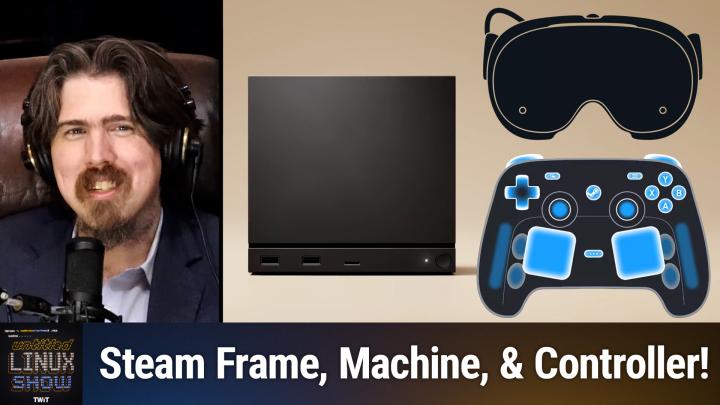
Valve just announced a suite of new hardware devices: Steam Machine, a VR headset called Steam Frame, and a next-generation Steam Controller. These releases could significantly boost Linux gaming and desktop adoption. On the Untitled Linux Show, hosts Jonathan Bennett, Rob Campbell, and Jeff Massie broke down what makes this launch so important and what it means for the tech-savvy and Linux-curious audience.
What Is Valve’s Steam Machine and Why Does It Matter?
Valve’s Steam Machine is Linux-powered gaming consoles designed for the living room but flexible enough to double as desktop PCs.
- Operating System: Runs SteamOS 3 (based on Arch Linux with KDE Plasma desktop).
- Open Platform: Designed for tinkering—users can potentially install any Linux distribution.
Why it matters: If successful, these devices could help normalize Linux as a viable gaming and entertainment platform, driving hardware manufacturers and developers to support Linux more robustly. It also highlights how open-source philosophies are breaking into mainstream tech.
Hardware Specs: Steam Machine and Frame
Steam Machine:
- CPU: AMD Zen 4, 6 cores/12 threads, up to 4.8 GHz
- GPU: Custom AMD RDNA 3 graphics, 8GB GDDR6 VRAM
- RAM: 16GB DDR5
- Storage: Up to 2TB NVMe SSD plus SD expansion
- Connectivity: Wi-Fi 6E, Bluetooth 5.3, Gigabit Ethernet
- Display Outputs: HDMI 2.0, DisplayPort 1.4, supports HDR and FreeSync
Steam Frame (VR Headset):
- CPU: Qualcomm Snapdragon 8 Gen 3 (ARM64)
- Resolution: 2160x2160 per eye, 144Hz refresh
- Audio/Power: Dual drivers, swappable batteries for balance
Steam Deck Controller:
- Designed for both consoles and VR, with advanced haptics and battery longevity.
How Open Is Valve’s New Hardware for Linux Users?
The hosts emphasized the open platform design, allowing for alternative Linux distros to be installed. This flexibility means that tech enthusiasts and developers can experiment, customize, and potentially use Valve’s hardware as general-purpose desktops or workstations.
Additionally, third-party stores and apps (like GOG Galaxy, Xbox Cloud Gaming, Epic Games Store) can work thanks to the underlying Linux environment, making Valve’s “vendor lock-in” less severe than traditional consoles.
Gaming and Desktop Implications
For gamers: Steam Machines blur the lines between console simplicity and PC power. This may attract both traditional console users and hardcore PC fans who seek a secondary living room setup.
For developers: Valve’s commitment to Linux could encourage:
- More native Linux ports of games
- Better anti-cheat support for online Linux gaming
- Greater openness for VR and alternative gaming interfaces
Potential challenges: The hosts discussed speculation about pricing and whether Valve will offer enough volume and support to compete with established consoles. They also noted the importance of community and publisher backing to ensure gaming libraries are robust and accessible.
Competitive Landscape: The 15-Year Support Race
Alongside Valve’s announcement, enterprise Linux distributions are racing to offer longer support windows (up to 15 years for Ubuntu Pro). This signals confidence and stability in Linux for mission-critical and regulated environments, making it more appealing in both home and business contexts.
Looking Through the Portal
- Valve’s new hardware lineup runs Linux natively, offering gaming and desktop flexibility.
- Steam Machine represents a major push to make Linux consoles mainstream.
- Hardware specs rival or exceed top consoles and support open customization.
- VR headset and controller round out an ecosystem for both traditional and immersive gaming.
- Broader Linux desktop adoption is likely if Valve succeeds, with implications for developers and users alike.
- Enterprise Linux support windows are expanding, making Linux a safer bet for long-term use.
Valve’s bold move with Linux-based hardware could transform both the gaming world and everyday Linux usage. For tech enthusiasts, this is a chance to see mainstream hardware built around open-source principles, potentially driving new innovation and support for Linux across the industry.
Ready to follow the latest developments in Linux hardware and gaming?
Subscribe to Untitled Linux Show for more in-depth takes: https://twit.tv/shows/untitled-linux-show/episodes/229