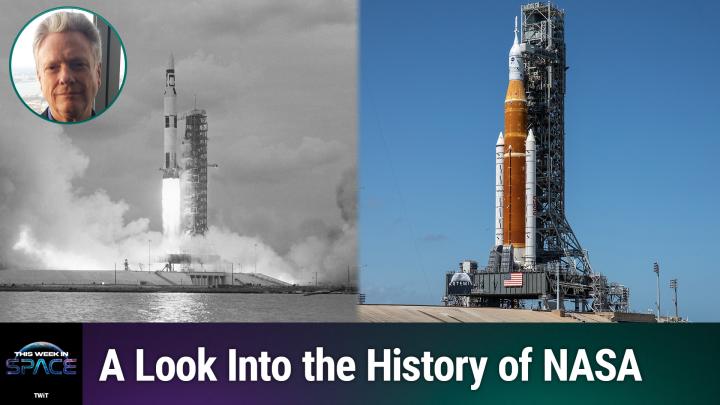
How NASA Preserves Space History
AI-generated, human-reviewed.
How does NASA make sure the legacy of its groundbreaking missions isn’t lost to time? According to Dr. Roger Launius, former NASA Chief Historian, it takes a massive, ongoing effort to collect, preserve, and share the story of space exploration—even as technology and public attention rapidly change.
On This Week in Space, Dr. Launius explained the behind-the-scenes challenges and importance of archiving America’s space history. His insights reveal exactly how NASA protects everything from the Apollo 11 landing to today’s Artemis rollouts, ensuring both triumphs and tragedies are not just remembered, but used to guide the next generation of spaceflight.
What Does a NASA Chief Historian Do?
Dr. Launius detailed that the NASA history program has three core responsibilities:
- Collection: Gathering records, documents, data, and images from every program, mission, and decision-maker across NASA.
- Preservation: Ensuring those materials—paper, film, and now digital files—are stored securely so future historians, engineers, and the public can access them.
- Dissemination: Publishing books, articles, and now digital resources, so NASA’s story reaches the broadest possible audience.
Dr. Launius highlighted the evolution from a print-first approach to today’s robust digital archives, with early adoption of web resources making NASA’s history more accessible than ever before.
Why Recording Space Accidents and Lessons Is Critical
Dr. Launius discussed how documenting not just mission successes but failures—especially accidents like Challenger and Columbia—is vital. These records are extensively analyzed, and their lessons are retained to shape future safety protocols.
He emphasized that every mishap, even minor ones, is archived and studied. This long-term knowledge base is key to improving spaceflight safety, not just for NASA but for all organizations entering space, including new commercial participants.
Has Public Attitude Toward Space Changed?
Contrary to popular belief, the “golden age” of Apollo didn’t mean universal public support. According to Dr. Launius, polling data from the 1960s mirrors attitudes today: many admire NASA, but support dips when asked if funding should be prioritized for space over social or military programs.
He clarified that public excitement always spikes for major firsts—like the Apollo 11 moon landing—but then levels off. Media and attention span fragmentation in today’s digital era mean that passionate “space fans” are more empowered, but broader awareness hasn’t shifted much.
How Does NASA Preserve Digital History?
Protecting history isn’t just about saving old papers anymore. Dr. Launius outlined that emails, digital photos, and even astronauts’ tweets from space are now historical artifacts. However, the digital age brings new archiving challenges, as not all digital communications are routinely saved or recorded.
NASA’s historians coordinate with multiple departments to capture as much as possible, while relying on oral histories (interviews and recorded recollections) to fill in gaps.
What About Moon Landing Doubters?
Misinformation about space—like the claim the moon landings were faked—has existed for decades, but, as Dr. Launius pointed out, actual belief in such theories remains low in the U.S., according to polling data. The spread of digital media makes these theories more visible, but skeptics are still a small minority.
Importance of Historical Archives in the Artemis Era
With Artemis missions aiming to return humans to the Moon, NASA’s experience and lessons—from both Apollo and shuttle eras—are more relevant than ever. By maintaining comprehensive archives, NASA helps ensure the new “history of tomorrow” is as thoroughly chronicled as its past.
Key Takeaways
- NASA's history program collects, preserves, and disseminates records from all missions and agencies.
- Digital records and social media have added new challenges and opportunities for archiving space history.
- Public support for space exploration has always fluctuated; major moments garner attention, but long-term enthusiasm is hard to sustain.
- Serious incidents and accidents are meticulously recorded to advance future safety.
- Moon landing misinformation is persistent but moon landing deniers remain a minority view in the U.S.
- NASA archives benefit not just historians, but also engineers, policymakers, and fans, helping shape future missions.
The Bottom Line
Safeguarding space history isn't just about nostalgia—it’s essential for learning, accountability, and inspiring new generations. As Dr. Roger Launius emphasized on This Week in Space, NASA’s approach to preserving the past isn't static; it constantly adapts as missions, media, and technology evolve. These efforts ensure that both the triumphs and tragedies of spaceflight inform the future—and that the lessons of Apollo, the shuttle, and soon, the Artemis program will never be forgotten.
Subscribe to hear more space insights and future-focused discussions: https://twit.tv/shows/this-week-in-space/episodes/193