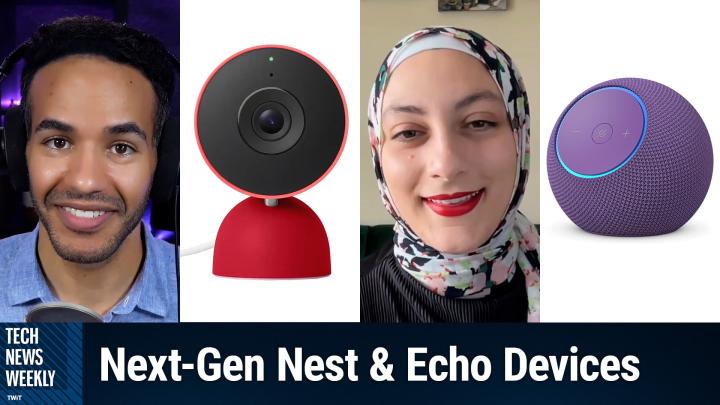
Google and Amazon's Latest Smart Home Hardware
AI-generated, human-reviewed.
This week on Tech News Weekly, host Mikah Sargent and guest Florence Ion talked about Google and Amazon’s major smart home hardware announcements, revealing what’s genuinely new, what’s worth upgrading, and what it means for anyone with a connected home.
What Are Google and Amazon Doing in the Smart Home Race?
Both tech giants are doubling down on smart home ecosystems with hardware refreshes and a surge of AI integration. Google’s focus is on embedding its powerful Gemini AI into everyday home controls, while Amazon revamps its Echo and Fire TV lineup alongside improved cameras and Kindle options. But are these changes meaningful for users, or just incremental tech upgrades?
Google Smart Home: New Devices and the Promise of Gemini AI
Florence explained that Google is revamping its hardware lineup under the familiar Nest brand, updating devices like the Nest Cam, Nest Doorbell, and the Google Home speaker series. The star of the show, however, is Gemini—the AI poised to become the brains behind Google’s entire smart home experience.
Gemini aims to make your smart home genuinely intelligent, learning your routines, managing devices more naturally through speech, and offering features like context-aware automations. For example, Gemini could proactively adjust lighting and climate control based on your behavior, not just timers or basic triggers.
The Google Home app is also being rebuilt as the true “command center” for your devices, promising easier setup, more robust automations (now called “automations” instead of “routines”), and real-time contextual suggestions.
Importantly, Ion emphasized that many older Nest devices will remain compatible with new AI features, so existing users won’t be forced to immediately re-buy hardware. However, several advanced functions will require a Google Home Premium subscription, a rebranded version of the existing Nest Aware plan.
Amazon’s Smart Home Upgrades: Premium Design and Seamless Ecosystem
Mikah Sargent led the recap of Amazon’s latest device drop, which included revamped Echo Shows, new Echo Dot and Studio smart speakers, plus an upgraded Fire TV lineup with AI-powered Alexa recommendations.
Amazon’s smart displays now sport sleeker looks, improved cameras, and better audio, aiming to feel more premium and fit a wider range of home décor. The integration of a more powerful Alexa, leveraging large language models (LLMs), promises smarter voice controls and media recommendations—especially helpful in navigating the endless options on streaming services.
He noted Amazon’s strategic play to replicate the “whole-home” audio experience offered by Apple and Sonos, allowing users to pair multiple Echo speakers for immersive sound throughout their living space.
The Kindle Scribe lineup saw enhancements too, with color E Ink and AI-powered features like “Story So Far” book summaries and instant answers about your reading. These features are aimed at avid readers juggling multiple books or using their device for study.
On the security front, both Amazon’s premium Ring and budget Blink cameras have been refreshed, with new features like facial recognition, improved field of view, and even a “Search Party” AI tool to help neighbors find missing pets in real time using their shared cameras.
Is Smart Home AI Ready for Prime Time?
Both Florence and Mikah cautioned that much of the promised AI-powered magic is still in rollout. Much of Google’s Gemini vision, for example, remains in beta or “coming soon,” especially the conversational routines that learn your family’s habits.
Similarly, while Amazon’s hardware and AI-driven Alexa are impressive, most features now feel incremental unless you’re deeply invested in the ecosystem or just starting your smart home journey.
If you’re considering an upgrade, the biggest impact will be for those seeking seamless automation, premium audio/visual experiences, or advanced home security features.
What You Need to Know
- Google is betting big on Gemini AI to power “context-aware” smart homes, but many features are only partially available.
- Amazon’s Echo, Fire TV, and Kindle lines get a premium look and smarter AI, but most advances are evolutionary.
- Both ecosystems now require paid subscriptions for the most advanced AI and security features.
- Older Google Nest devices will still get some Gemini AI functions, preserving your past investments.
- Amazon emphasizes seamless pairing, multi-room audio, and new ways to use your home cameras for pet finding and AI security.
- If you already have a robust smart home setup, real-world benefits may take time to materialize.
- Tech experts recommend not buying on “future promises”—assess the immediate value of new features before upgrading.
The Bottom Line
The latest smart home reveals from Google and Amazon signal the start of a more intelligent, AI-powered era for connected living—but most of the transformative features are still developing, and upgrades may mostly appeal to new buyers or those ready for a refresh. For now, both companies are moving toward deeper integration, better design, and smarter automations, all pointing toward the long-promised “house of the future.”
To hear the full debate and expert breakdown, listen to this week’s episode at https://twit.tv/shows/tech-news-weekly/episodes/407.