Building a High-Performance Home Theater in a Small Space
AI-generated, human-reviewed.
Building a true home cinema doesn't require a mansion-sized media room or a six-figure budget. This episode of Home Theater Geeks with Scott Wilkinson highlights how composer Terrence Huntington transformed a tiny, challenging basement into a high-performance home theater for about $20,000, delivering ideas and inspiration for anyone with limited room or funds.
The Big Takeaway: Maximizing Performance in Minimal Space
The right design and equipment choices can help you achieve stunning audio and video performance in even the tightest home theaters. Thoughtful planning, clever construction modifications, and smart purchasing go a long way toward achieving an immersive moviegoing experience without breaking the bank.
Planning a Home Theater in a Small Room
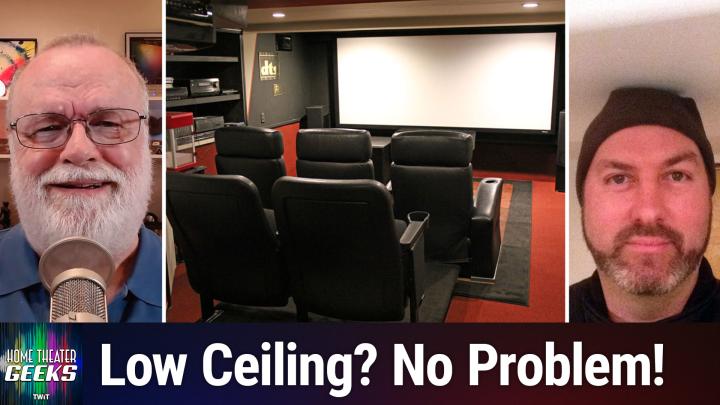
Scott Wilkinson shared the story of Terrence's theater—dubbed "Duck and Cover" because of its compact ceiling height, where almost every aspect had to be optimized for space:
- Room Size: Terrence worked with a small basement, requiring removal of non-structural support posts and reinforcement of ceiling beams to clear more space.
- Sound Isolation: HVAC systems and water heaters were enclosed with heavy insulation, preventing unwanted noise from ruining movie nights.
- Acoustic Treatments: Wall-to-wall carpeting and sound-absorbing seating helped manage audio reflections and improved sound quality, even beyond expectations (so much so that he disabled room correction software).
Smart Equipment & Layout Choices
A compact home theater needs extra attention to equipment selection and placement:
Projector & Screen:
- Terrence used a JVC projector with a Panamorph anamorphic lens to fill a 115-inch, 2.4:1 aspect ratio screen (from Carada Precision).
- He carefully calculated throw distance to make it work in the restricted environment — getting just enough room for projection.
Shadow Box Installation:
- A "black shadow box" around the screen improved perceived contrast by reducing light reflections, offsetting the off-white walls.
Audio System:
- Main speakers were Paradigm Studio 60s (front left, center, right) and Studio 20s (surround).
- Subwoofers included an Epic Tower 15-inch and a SVS MBM12 midbass module paired with the center channel for beefed-up dialogue and effects.
- Instead of a "butt kicker" (low-frequency seat shaker) in every seat, one was installed per row for a more subtle but immersive tactile effect.
Seating:
- Main seats were three Salamander Designs Matteo recliners with two classic movie theater chairs behind on a small riser.
Design Tips for Small Home Theaters
- Custom Equipment Cabinet: Leave a 4-inch gap behind shelves for easy cable access and future upgrades—often overlooked and regretted later.
- Color Choices: While dark walls are best for light control, if you must use lighter colors, employ features like a black shadow box for your screen.
- Room Correction: Good acoustic control can sometimes outperform electronic room correction, as happened here—don't neglect carpets, seats, and wall treatments.
- Budget: The total cost came to about $20,000, much less than many high-end setups, especially given the level of performance and customization.
Key Takeaways
- Even very small rooms can be turned into spectacular home theaters with smart construction and clever use of space.
- Prioritize core elements: sound isolation, projector placement, and seating comfort.
- Custom touches, like shadow boxes and butt kicker transducers, can add real value.
- You don't need to overspend! DIY work and smart shopping go a long way.
If you're dealing with a tiny room or a modest budget, you can still build a home theater that will wow you and your guests. Focus on customizing your space for acoustics, isolating noise, and carefully selecting the best equipment for the constraints you have. Terrence Huntington's "Duck and Cover" theater on Home Theater Geeks shows that thoughtful planning and a bit of elbow grease can create cinematic magic no matter the challenges.
Want more expert insights and inspirations? Subscribe to Home Theater Geeks on TWiT:
https://twit.tv/shows/home-theater-geeks/episodes/502