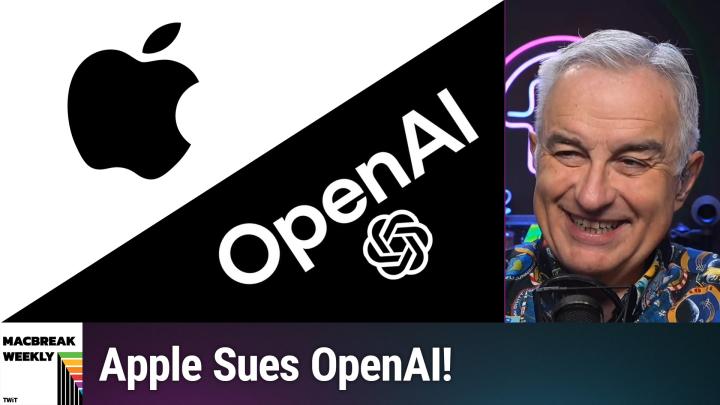
Apple Sues OpenAI: What’s at Stake in the AI Hardware Trade Secrets Battle?
AI-generated, human-reviewed.
According to Leo Laporte, Andy Ihnatko, Jason Snell, and Christina Warren on MacBreak Weekly, Apple has accused OpenAI (and its associated hardware startup IO) of orchestrating the theft of not just employees, but vast amounts of proprietary knowledge, design documentation, and internal processes related to hardware development. The lawsuit focuses on prominent ex-Apple employees—including Tang Tan, a 24-year Apple veteran who played a lead role in iPhone and Apple Watch development—alleged to have left with sensitive materials and potentially enabled OpenAI to short-circuit years of R&D.
Several points from the show clarify that, under California law, it’s not illegal to hire away employees—what crosses the line is removal and use of confidential, proprietary data, or circumventing security to access secret documentation.
Why This Case Could Set a Precedent in Tech and AI
On MacBreak Weekly, the hosts highlighted that Apple’s complaint goes beyond simple employee poaching and paints a picture of a deliberate, systemic effort to acquire everything from manufacturing contacts, to unreleased product specs, to Apple’s hard-won design methodologies. The scale and detail in Apple’s court filing suggest the company aims not only to recover trade secrets, but potentially to seek an injunction that could block or delay OpenAI’s entry into the AI hardware market.
This isn’t just about protecting IP—it’s a direct move to deter future rivals from taking shortcuts and to warn employees of the severe consequences of mishandling confidential materials. The discussion noted how lawsuits like this can chill talent movement but also serve as a high-profile message to competitors.
What Evidence and Allegations Are Central to the Case?
The hosts recounted Apple’s assertions of “smoking gun” evidence, including ex-employees allegedly exploiting authentication bugs, failing to return company laptops, and even instructing Apple interviewees to bring physical parts and confidential files to OpenAI interviews. Specifics include:
- Alleged network breaches after employees left Apple
- Email evidence showing access to Apple’s internal storage post-employment
- Testimony from job candidates contacted by OpenAI, asked to bring prototypes and CAD files for review
Apple claims this forms part of a larger strategy, not just isolated incidents—arguing for broad legal discovery that could halt OpenAI’s hardware launches and impact the company’s plans for an impending IPO.
How Could This Lawsuit Affect the Future of AI Hardware?
MacBreak Weekly’s analysis makes clear that the outcome could reshape how AI companies approach hardware innovation, recruitment, and even partnerships (Apple and OpenAI had previously announced ChatGPT integration on Apple devices). If Apple obtains an injunction, OpenAI may be blocked from launching new devices, impacting its competitive timeline and reputation.
Broader effects could include:
- Changes in how departing employees handle sensitive information
- Tech giants becoming more aggressive in defending trade secrets
- Stricter internal controls for hardware prototyping and documentation
- Boards and leaders in AI increasingly scrutinized for ethical and legal practices
The hosts also noted reputational fallout for OpenAI, already under media scrutiny and facing similar lawsuits from other rivals and content providers.
Key Takeaways
- Apple is suing OpenAI, IO, and key former employees over alleged theft of hardware trade secrets.
- The scope of accusations goes beyond normal employee moves, implying systematic transfer of Apple’s proprietary knowledge and processes.
- Evidence includes network breaches, unauthorized retention of devices, and recruiting candidates to bring confidential information to interviews.
- Potential remedies could block OpenAI’s hardware devices and impact its business trajectory.
- Case outcome may change how the industry approaches hiring, IP security, and corporate competition.
- The lawsuit comes amid growing scrutiny of OpenAI’s competitive tactics and broader anxieties around AI’s ethical boundaries.
The Bottom Line
Apple’s bold legal strike against OpenAI marks a turning point for AI and hardware innovation, raising the stakes for everyone from engineers to industry giants. As summarized on MacBreak Weekly, this case isn’t just a skirmish over departing employees—it’s a strategic battle for the future of intellectual property, competitive advantage, and ethical norms in the high-stakes world of artificial intelligence.
For readers tracking the future of AI, tech careers, or business competition, watching the progress and outcome of Apple vs. OpenAI will be essential.
Subscribe to MacBreak Weekly for ongoing analysis and expert commentary:
https://twit.tv/shows/macbreak-weekly/episodes/1033